Charlotta Nyfeldt
CRAFTED
FROM NATURE
With its locally foraged ingredients and handcrafted approach, SPRITERIET has carved out a unique place in Sweden’s beverage scene. We spoke with its founder about flavors, craftsmanship, and the balance between creativity and commerce.
Charlotta!
Congratulations on making such lovable products!
- Thank you!
Tell us…How did your interest in beverages begin?
- I started working in bars when I moved to Sydney after high school. When I returned to Sweden, I continued in the bar world, and that’s how it all began. Spirits led me to wine, wine led me to importing, and importing eventually led me to production.
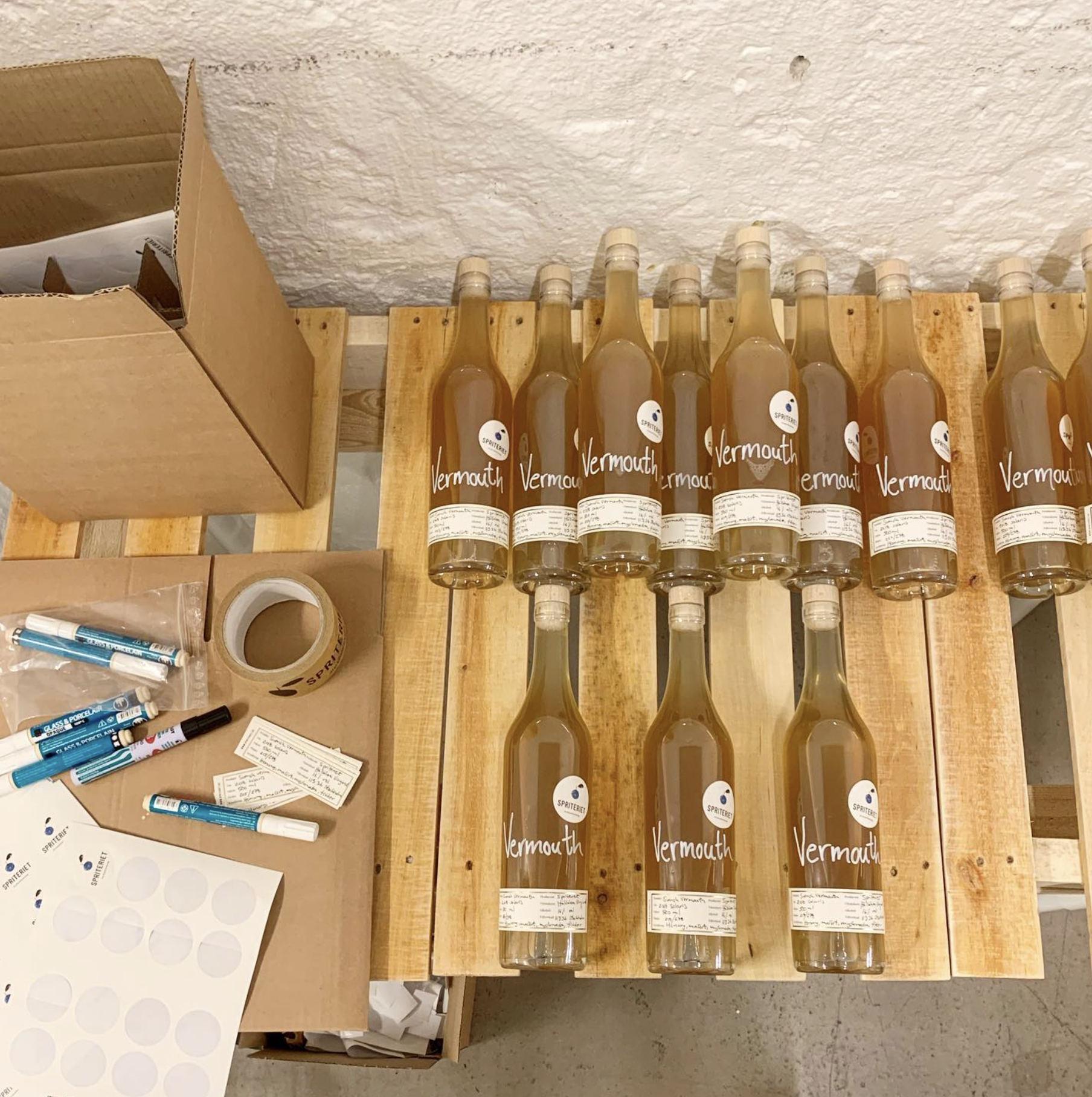
You create liqueurs, vermouths, bitters, and ready-made drinks based on local ingredients. Do you gather them yourself?
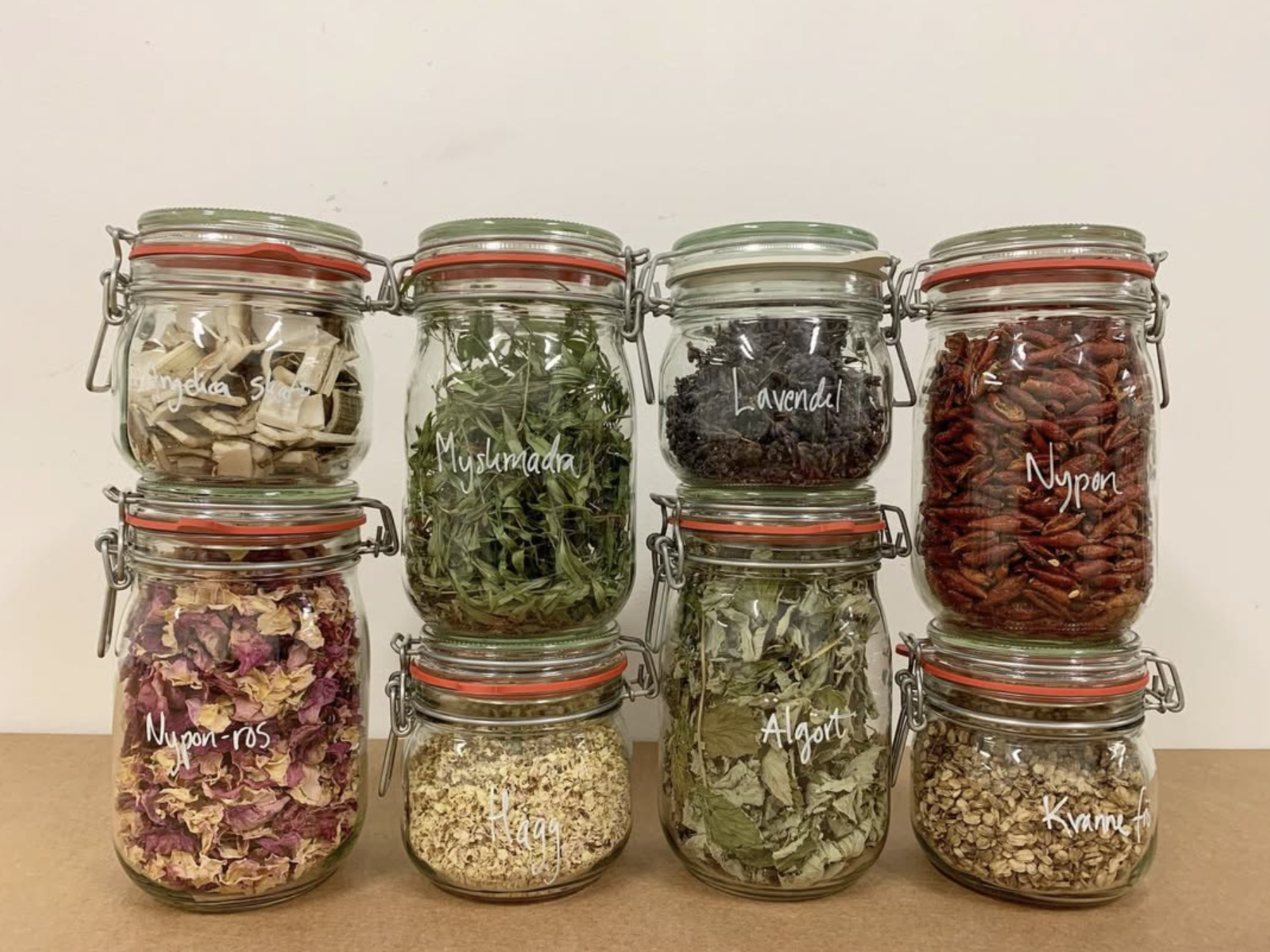
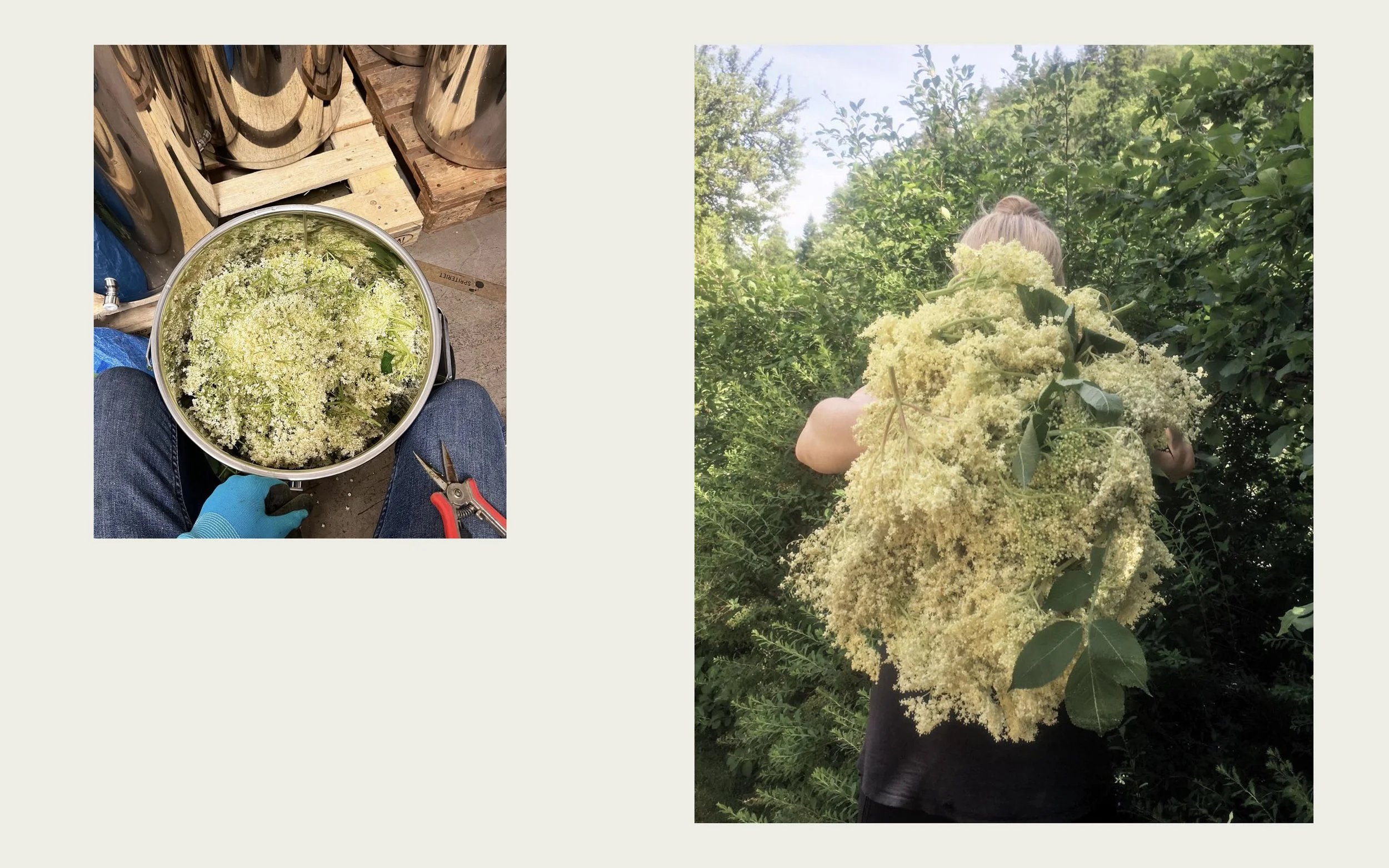
- I pick what I can and what I enjoy picking. My mother also grows certain things for me.
The rest I buy from other growers and foragers. And yes, it takes a lot of time. Since I had children, I don’t forage as much as I used to—my focus has shifted, and for good reason.
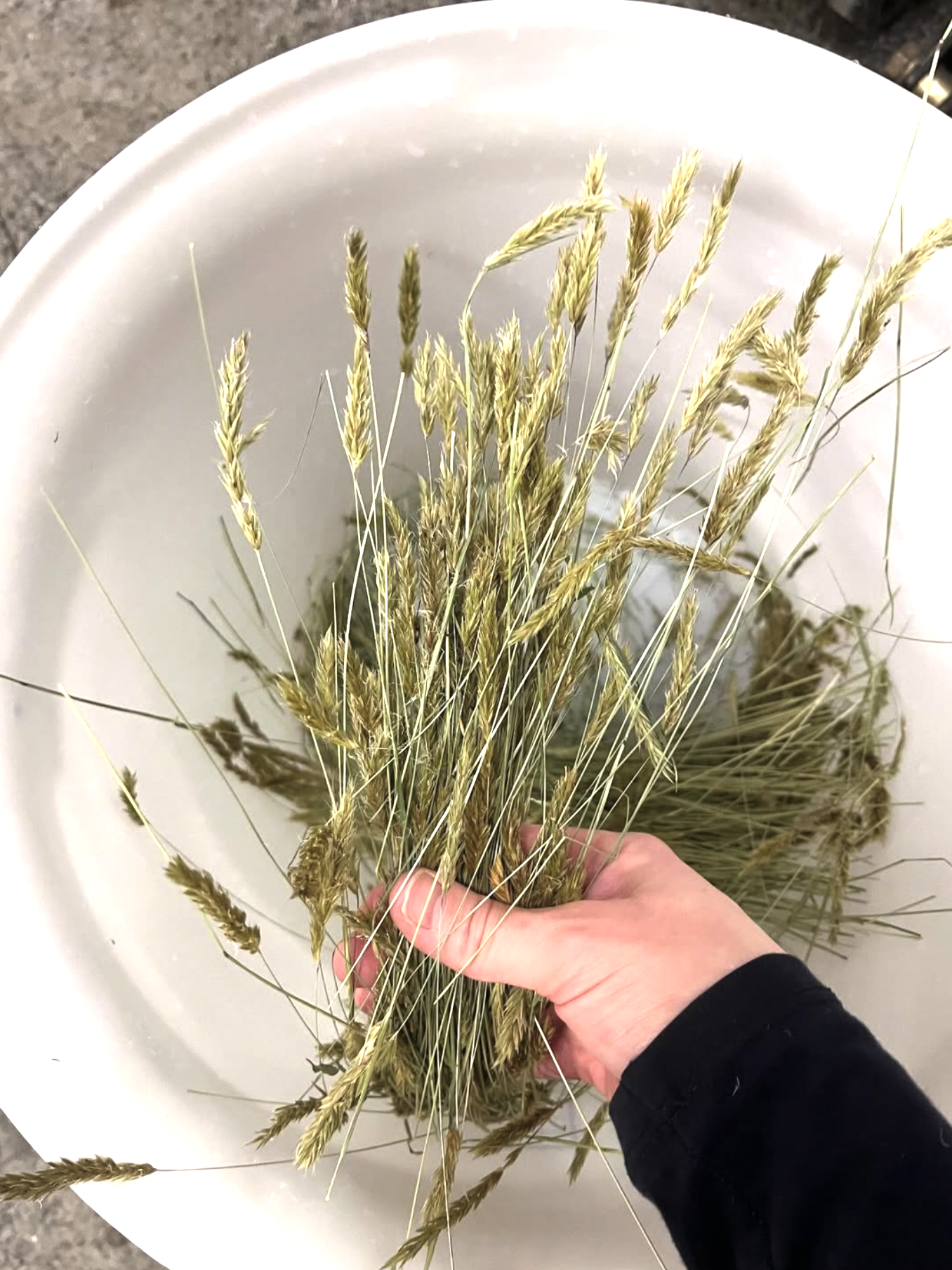
How do you develop new flavors? Meadowsweet, for example, is an unusual choice for a liqueur.
- I’ve learned a lot through reading and experimenting. Many flavors come from my childhood, and others I’ve learned from knowledgeable people along the way. The meadowsweet liqueur came from a book in which a woman shared her own recipe. I started there when I worked in bars, then gradually adapted, refined, and optimized it.
For many people, alcoholic drinks are about experience rather than thirst. How do you think about that when creating your products?
- I completely agree—I’m a romantic when it comes to drinks, alcoholic or not. I don’t like rushing through a drink, except maybe water. I enjoy sitting down and savoring, even something as simple as coffee. People are welcome to drink my products as shots, but I’m more of a sipper. Sometimes I have a clear idea from the start of how a drink should be used. Other times, it changes completely along the way.
Many of my customers are enthusiasts themselves, and they often find their own ways of enjoying my products.
There isn’t really a “right” way — just better options.
How do you find new inspiration?
- I read, visit restaurants, follow international creators, and learn about different techniques. I visit vineyards and other producers. But most ideas come when I’m visiting my parents or walking through the forest.
Do you have a flavor memory that stands out?
- Many from bars. Going to a great bar with one or two friends and working your way through the menu together is incredibly inspiring.
Do you have a favorite drink?
- A dry martini, or vermouth with tonic.
Have your tastes changed over time?
- Yes—constantly.
What was it like turning your passion into a profession?
- I moved from importing to production, so the transition wasn’t dramatic. Interestingly, my former importer is now my distributor. Like most entrepreneurs, I’ve experienced a lot of headaches, but also freedom and pride. Because I haven’t taken in an investor, growth has been slow, and I’m not yet where I hoped to be. The coming years will be crucial for Spriteriet’s future.
Do you still create anything just for yourself at home?
- No. Everything I make is for and at Spriteriet.
Has your work influenced other interests?
- I’ve always loved nature and plants, but I’ve learned much more in recent years. I’ve also developed a strong interest in entrepreneurship.
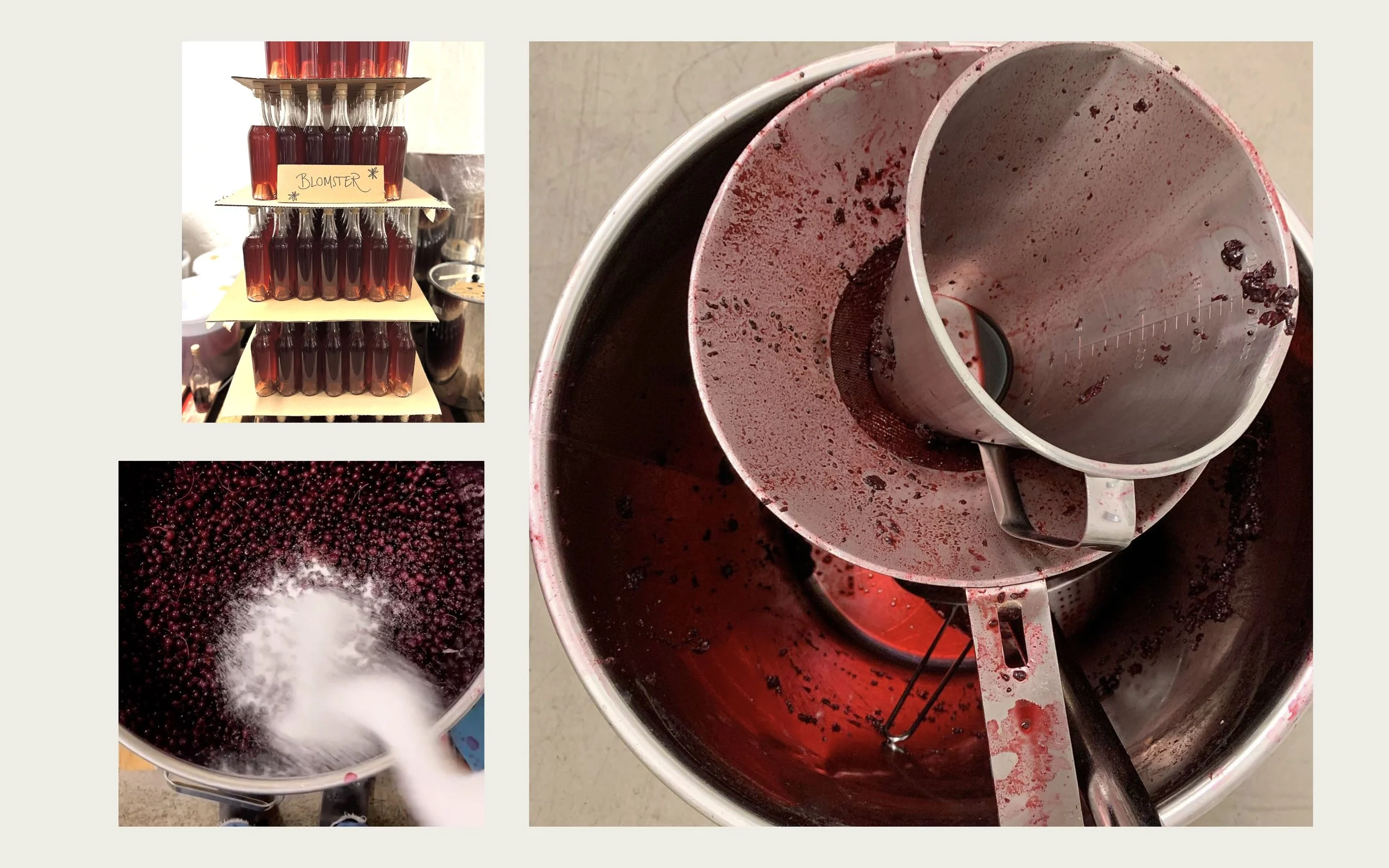
Your products feel both rustic and refined. Do you see a conflict between craftsmanship and commercial success?
- Not at all. Craftsmanship is the foundation. The commercial side simply makes it possible to continue creating. As long as intention, flavor, and creativity remain in every bottle, I don’t think authenticity is lost.
Is it possible to make a living from beverage craftsmanship today without compromising quality?
- I can make a living, but not quite the life I want yet. I need to become more efficient, modernize, and increase production in order to reach my personal and professional goals.
What does “quality” mean to you?
- Good raw materials, a thoughtful process, and a flavor that remains strong from start to finish.
If you could change one thing about how people consume drinks, what would it be?
- I may sound preachy, but I’d remind people who buy very cheap wine:
After Systembolaget’s markup, alcohol tax, import fees, transport, recycling costs, packaging, and more—very little remains for the wine grower. It’s better to drink less, but better.