Agnès Brosset
THE PURSUIT OF QUALITY OF LIFE
Armed with a PhD, a plot of land, and a belief that nature has more to offer than we give it credit for, she built Sweden's first commercial medicinal herb farm from scratch. We spoke with her about following your own path and that a good life can be built from soil, patience, and the courage to try.
Hello Agnes!
It’s such a pleasure to meet you and get to talk to you for a while! I am fortunate enough to have visited your garden and followed you for a while and I am already in awe and full of admiration for what you have accomplished and so I’m very happy to be talking to you!
How would you describe what it is that you have built?
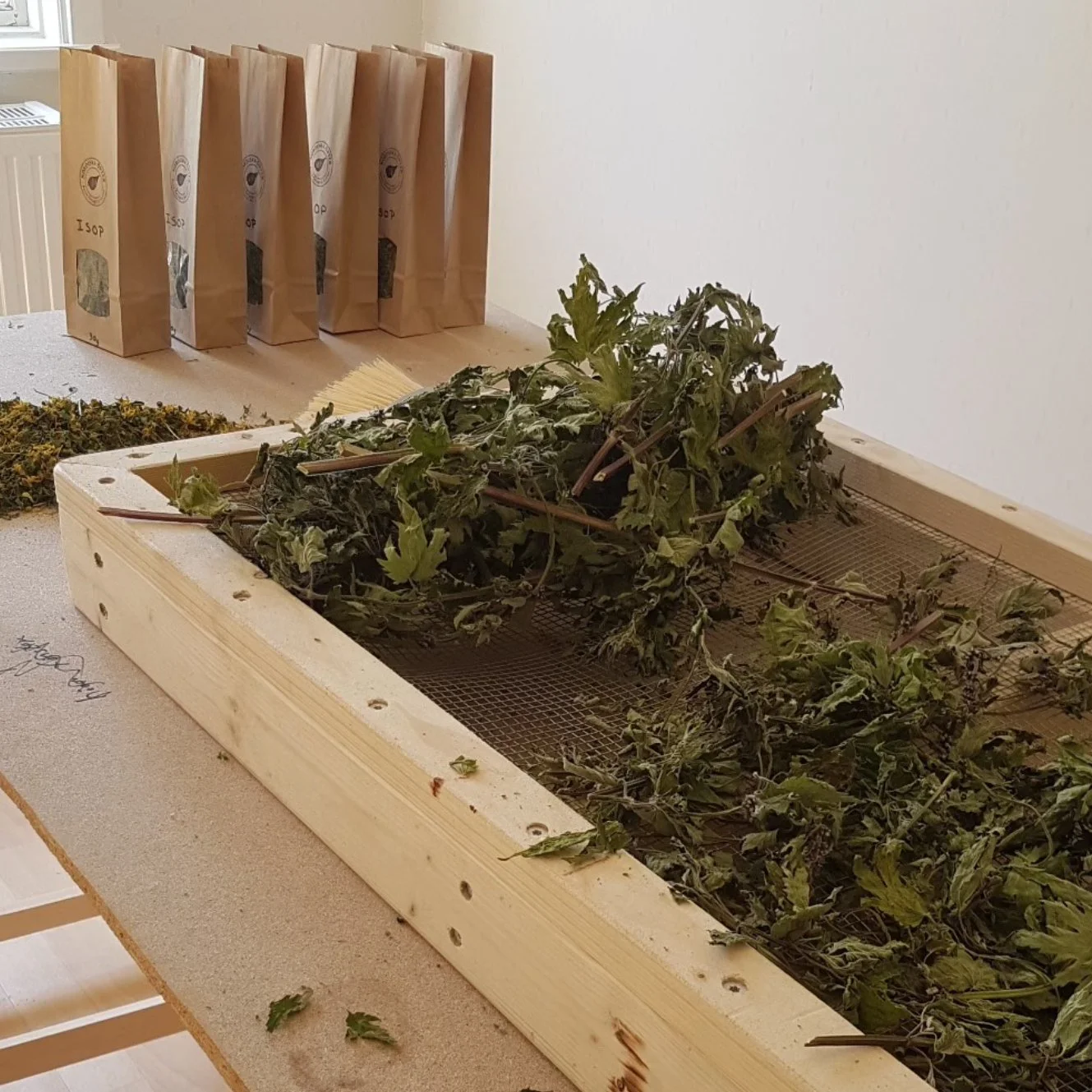
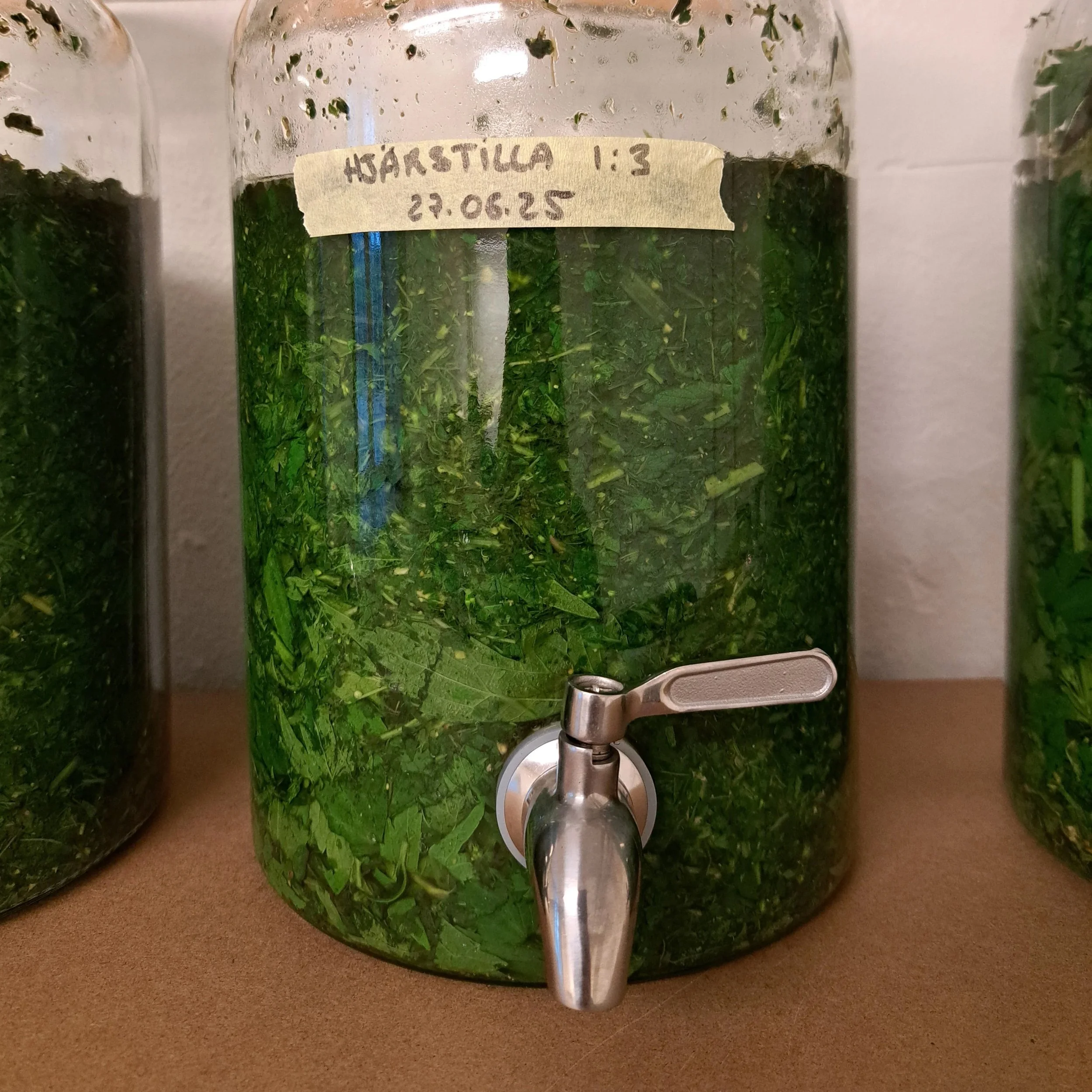
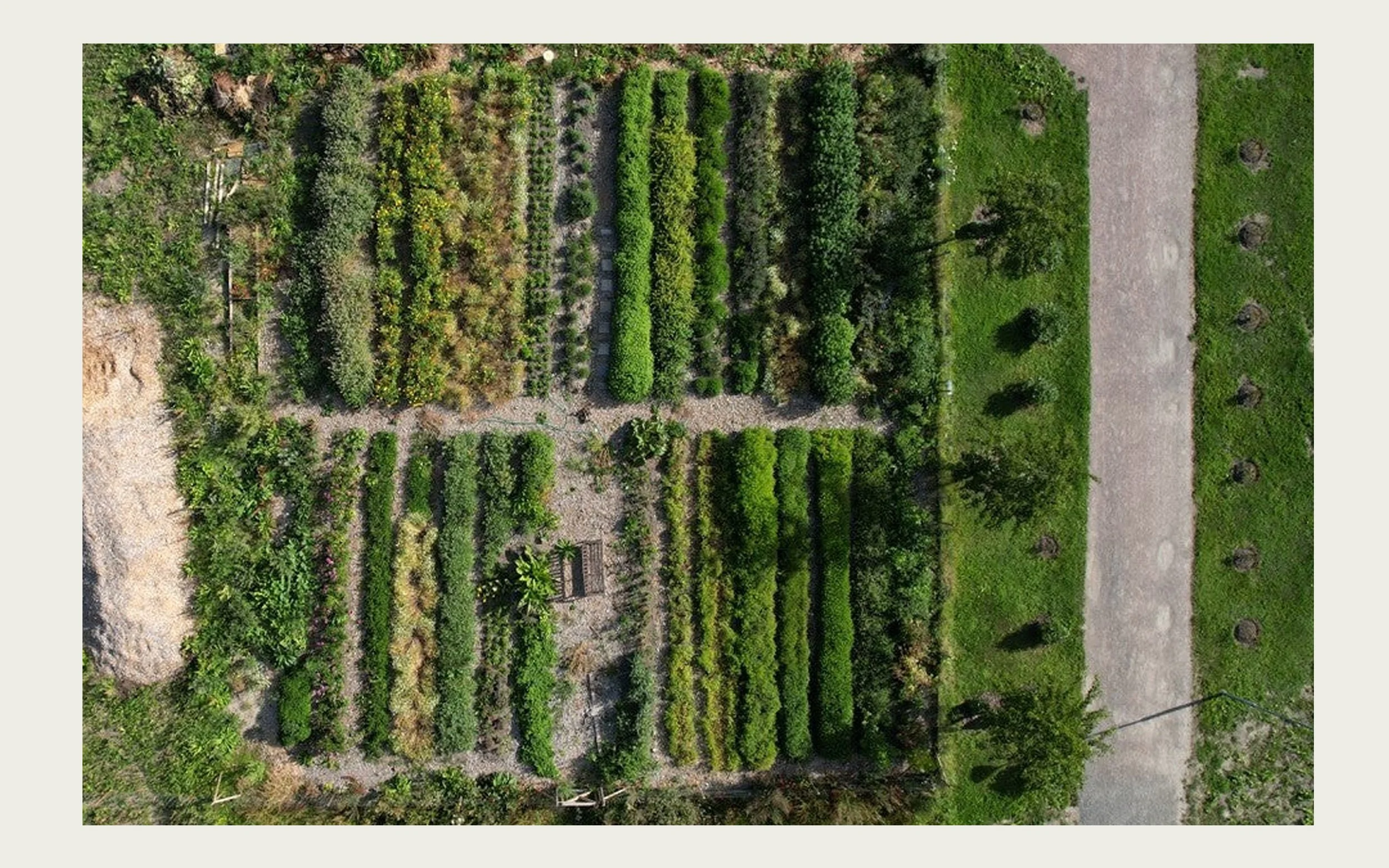
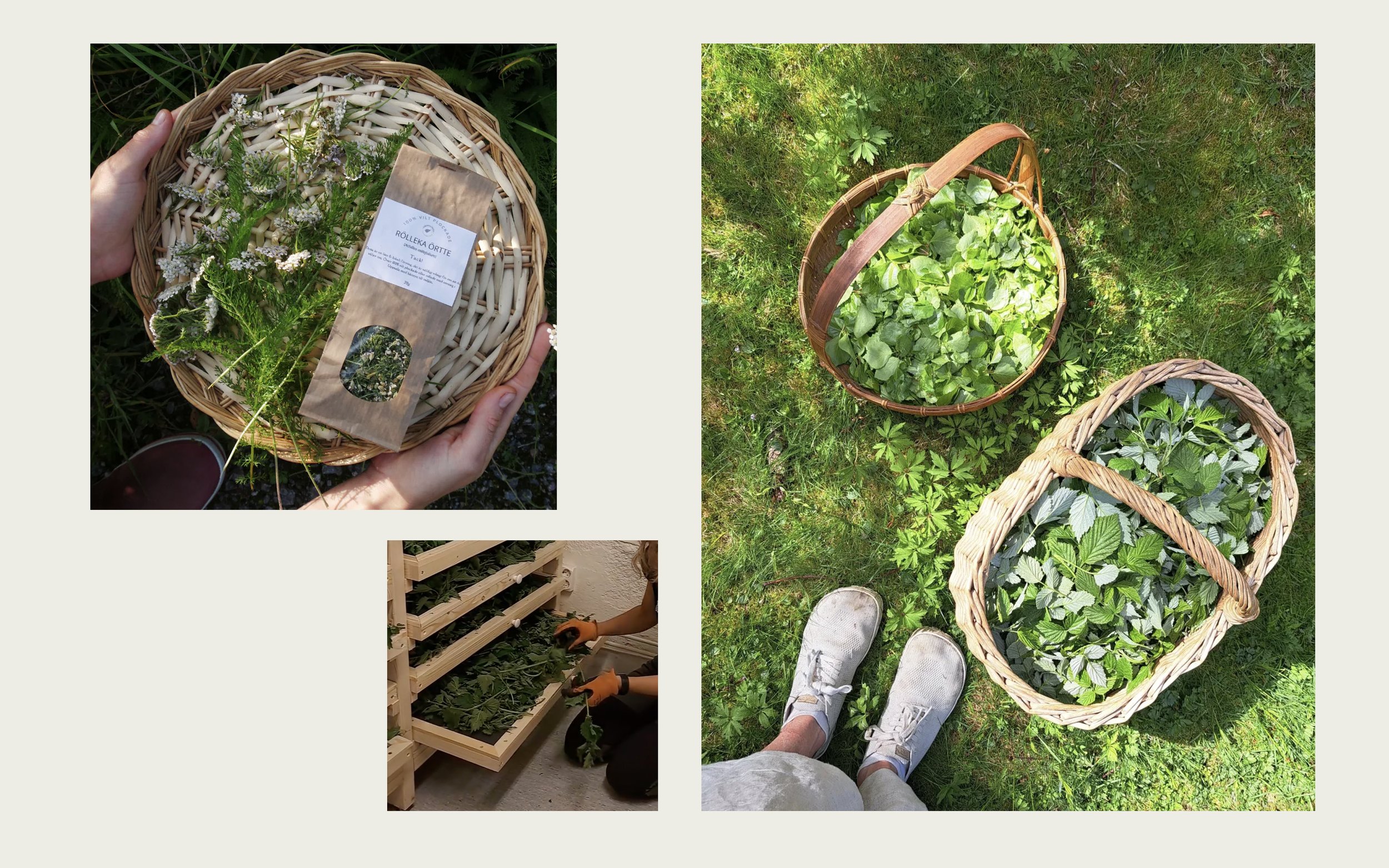
I have built the first commercial medicinal herb farm in Sweden. There are herb gardens, and there is hydroponic production — like the fresh herbs you see in the food stores. But no one has been doing this at an intended scale, focused on medicinal plants, with the goal of doing it at commercial scale. My garden doesn't look like a traditional herb garden either. A herb garden is round and pretty, one plant per species. For me it's long rows of 50 plants.
So what I do is I provide Sweden with a local alternative for herbs that is quality, tasteful, healthy, clean, and local. To provide good-quality herbs for the community and for people.
How did you end up here? What's the origin story?
When I arrived in Sweden I was already someone who used herbs, and I went looking for them. Everything I could find was imported — from Poland, from Egypt — and the quality of most of it was quite poor. Coming from France, I knew that herb growers there are not rare at all. It was popular first in the mountain regions and Provence, because of the pharmaceutical and perfume industry there. And now, because medicinal plants have become so common in France, there is an herb grower in every region. I thought: why is no one doing this here? At the same time I had a big garden, living self-sufficiently, and I had too much. I started selling on Etsy, sharing on Instagram, and I could see the interest rising. At the end of that summer I decided I wanted to do it professionally. I found a piece of land, registered the company, and from there everything grew.
And you also have a PhD?
In plant-insect interaction and chemical ecology, yes.
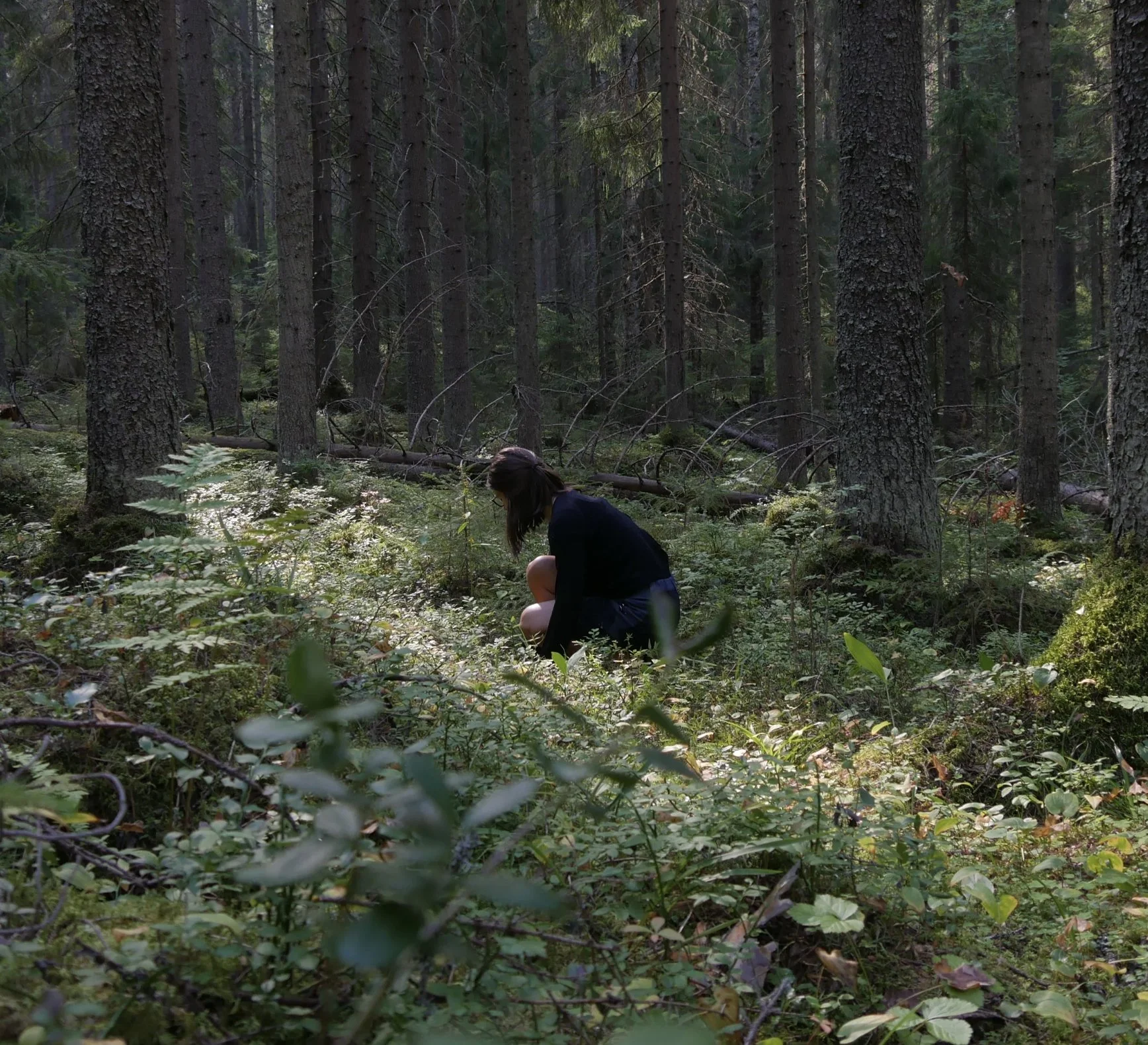
Since I was a child I knew I wanted to work in nature, with biology, with plants. Living in a Nordic country, I also became very passionate about wild edibles — foraging in the forest. That was really what pulled me into the world of herbs. The first year I arrived in Sweden I was already taking people out on foraging walks. I decided I wanted to build a life around that. Of course with my education I had an understanding of the chemistry of the plants and that knowledge is a cornerstone.
"Why not try?
I felt like I had nothing to lose"
It takes courage to start from scratch like that. Did it feel risky or scary when you got started?
People say that but I don't feel courageous. I felt no risk when I got started. Why would I not try? I had nothing to lose — except maybe a smaller pension when I'm old because I'll have had years without a full salary. But I'll have the life I want.
Can you make a living from this kind of craft in Sweden?
Not yet — I make 20% of my income from the herb business and 80% from research. But I will make it, because I don't see other options! And I think the timing is right. The interest in nature, in plants, in living more simply is rising strongly. Sweden is maybe where France was ten years ago with local food, organic food, naturopathy. What I've learned is that so much of the job is not gardening. It's communicating — getting people to find you and to understand what you're doing.
Right.. you’re introducing something new to our market and I imagine marketing comes into play and also education?
Yes, both. But I only apply what feels aligned with my values. What I've found is that the people who follow me, who buy from me — they do it because they find joy. They find it beautiful, this idea of something going from soil to product. They find it inspiring that someone is building this in Sweden. So that's what I try to share. I don't play on fear at all even though it’s often recommended in some marketing strategies. I’d rather keep showing the beauty and the way of life because that’s what I would like for people to find with my products.
But there’s a gap there, isn’t there?We’re used to seeing medicine as something from a chemistry lab, regulated, precisely targeted. And you're bringing solutions that just grows in the wild, that can do things for you — but it requires knowledge. It feels like we've forgotten an entire skill we once had. How do you meet that educational gap?
Herbs are not a replacement for pharmaceuticals. They're another possibility. Both have their place. For a long time I didn't communicate much about the medicinal properties of my herbs because it's so heavily regulated — if you're not a doctor or pharmacist you can't claim health benefits for a product you sell. So I have to be careful with what I teach and what I promise. I can be creative with names. One of my blends is just called "Woman." I can't write "hormone tea". This is one way to meet that educational gap.
The rising interest in herbs meets a real need right now. And it's genuinely a good thing, because we're facing more chronic health challenges now — chronic anxiety, digestive issues, stress, chronic inflammation from what we breathe and eat. That's exactly where herbs are excellent, and where pharmaceuticals are often less effective. Pharmaceuticals are very good for acute, serious conditions. For chronic issues, herbs taken consistently over time can be very helpful alongside other lifestyle changes.
"Herbs are not a replacement for pharmaceuticals. They're another possibility. Both have their place I think."
Do you think the regulations are fair?
They are meant to protect people, and that’s a good thing. A good herbalist knows how complicated herb use really is. Two people can come with the same issue — stomach problems — and need completely different things. One might have a stress-related cause, another purely inflammatory. Same complaint, different herbs. So when you understand that, you can't just say "chamomile will cure insomnia." The regulations avoids over simplifying the effects of herbs which could cause people from self-diagnosing badly, and it keeps less serious practitioners from making harmful claims.
Most of my customers already have some education in herbs — they're looking for specific plants to get to know, to make tea, to start building their own practice. So I haven't needed to teach that much.
” The rising interest in herbs meets a real need right now.”
Is there a danger for someone like me, growing herbs or buying them and using them without much knowledge?
You need some education — not necessarily deep, but you need to have learned somewhere how to use herbs, because we no longer have older generations to teach us. A book is a great start. Blogs, educational articles — all fine. For everyday plants like nettles or chamomile, there's very little danger — they've been consumed as food and tea for thousands of years. But even safe plants can have effects if consumed in excess, or if you have sensitivities. My mother, for example, can't eat too much nettle because she's prone to kidney stones. Too much dandelion can irritate the kidneys because of its strong diuretic effect. So I think it's wise not to go wild with plant use at the beginning but to get some education first. But if you stick to the ten species you know well, there's no danger.
Do you find that your customers understand and appreciate the value? Do you get questions about the price?
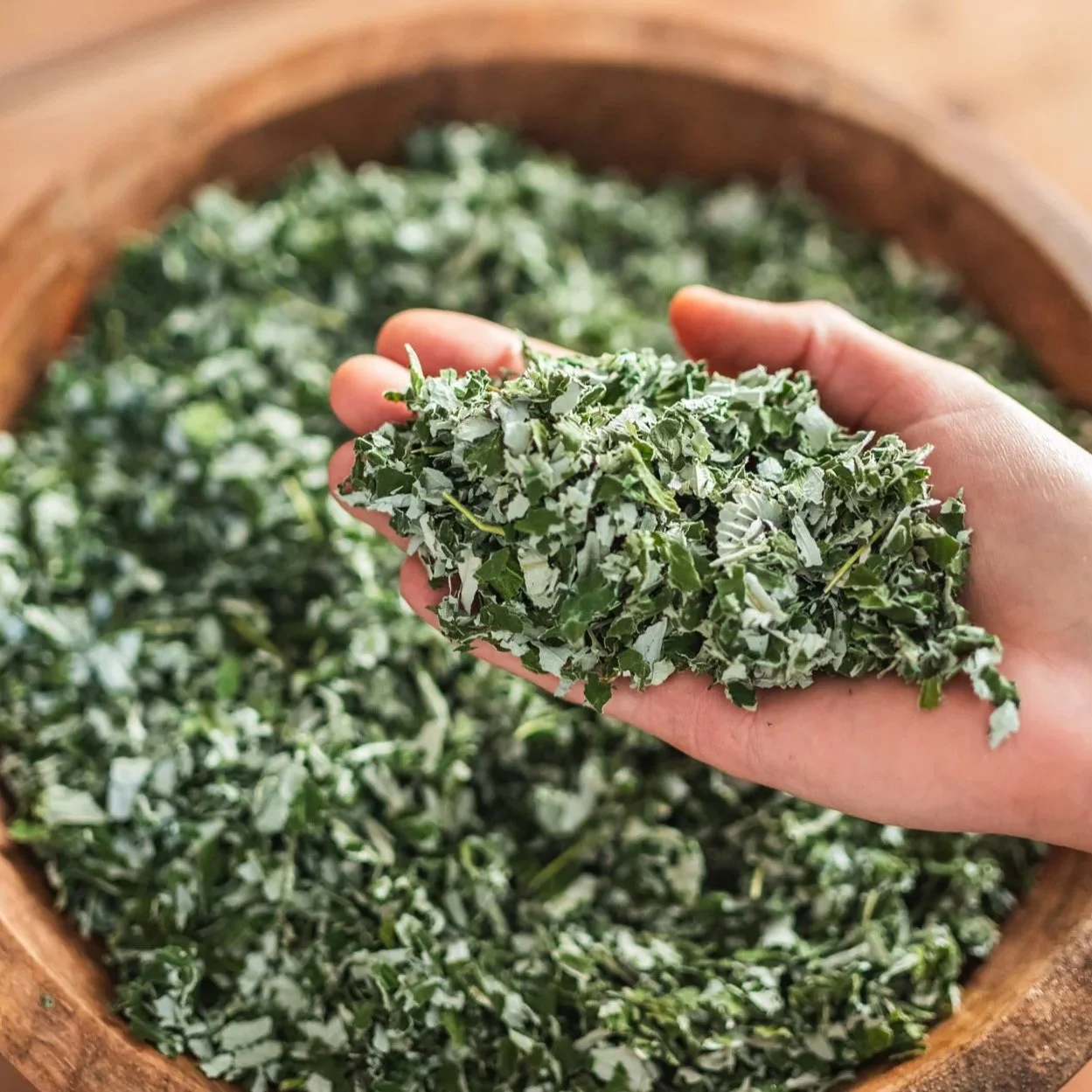
No one has ever questioned the price, actually. Some friends even tell me I should charge more. But if you compare my prices to some of the other dried herbs on the market, I'm already two to three times their price. And I don't want to be a brand only for people who can afford premium organic products. I don't want herbs to become something only the wealthy can access. I think price wise the quality speaks for itself. All my reviews are five stars, and it's always about the smell and the quality — people open the package and they can immediately tell it's different from anything they've bought before. That's what brings them back.
If someone wanted to start growing their own herbs, what three would you recommend?
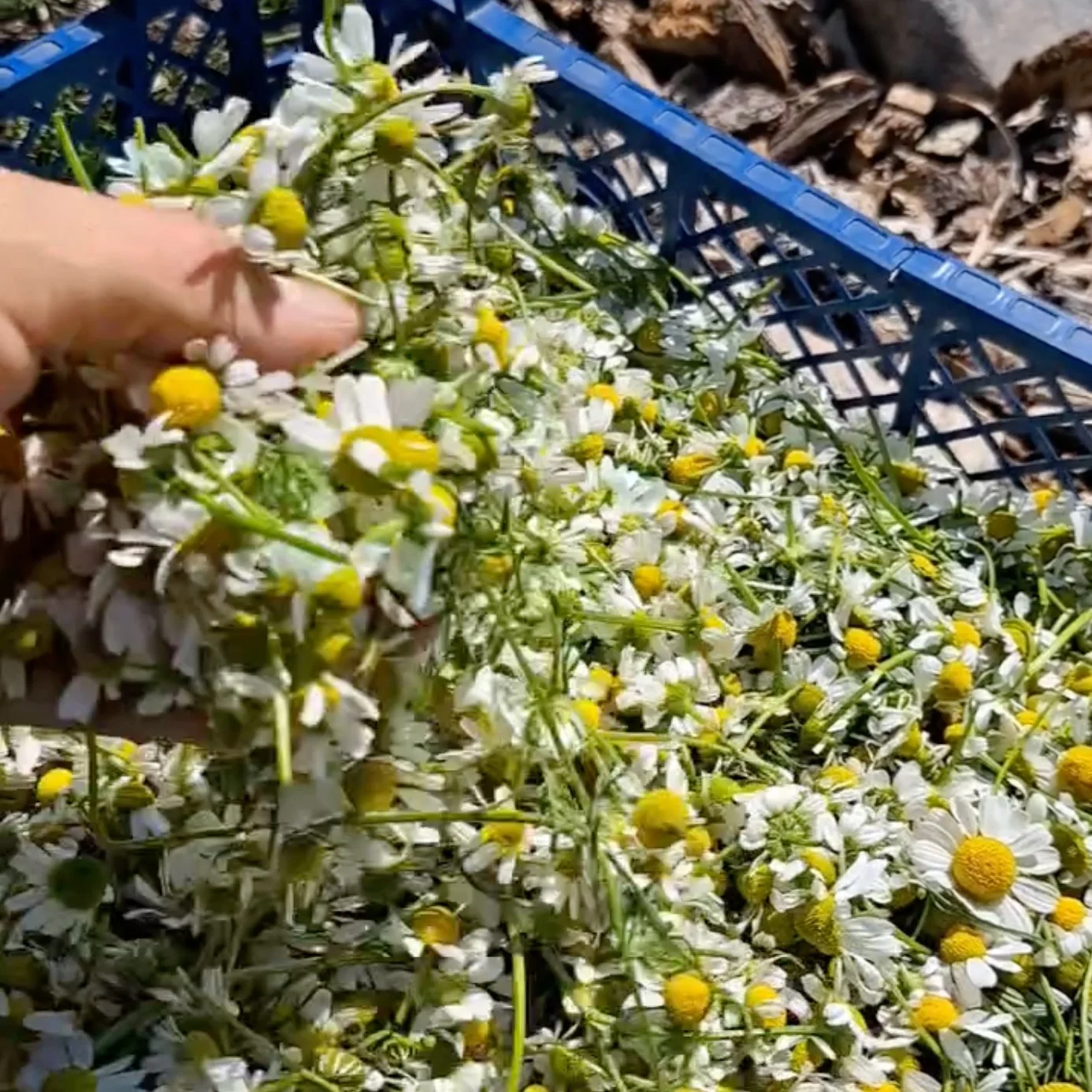
Chamomile, calendula, and lemon balm. All simple to grow, all genuinely useful. Chamomile is a tea plant with so many effects — on the digestive system and the nervous system. It's a bitter herb, so it stimulates digestion and the secretion of digestive enzymes. It's also aromatic and carminative, which helps ease digestion. And it has a mild soothing effect on the nervous system — calming, relaxing. For the skin, chamomile soothes irritation beautifully. You can also infuse it in oil for topical use, or make a vinegar-based hair spray for blonde hair — vinegar acts like a conditioner, balances the scalp's pH. And fresh chamomile is something most people have never tasted. It's more bitter, more complex than the dried version. Everyone should try it.
Calendula is extremely easy to grow — you scatter the seeds, they pop up quickly. Internally it doesn't have as many uses on its own, but externally, in oil, it's remarkable. Cuts, irritated skin, eczema, sunburn, face creams — it's incredibly versatile. Combined with chamomile it's wonderful for very sensitive facial skin. Internally, it can help with inflammation of the digestive tract. And it's beautiful in the garden — yellow, orange, pink, white, even some reddish varieties. All usable.
Lemon balm is a perennial — unlike chamomile and calendula which are annuals, it comes back year after year. It's a mint plant, easy to grow, and has a wonderful lemony smell and taste. You can use it in food — sauces, syrups, cakes, popsicles, cocktails. It's mood-lifting, which makes it a bit different from most calming herbs. While many nervine herbs soothe and calm, lemon balm actually lifts the mood, brings brightness. It's also good for digestion, being a mint plant. A great all-rounder.
“I WISH MORE PEOPLE WOULD OPEN THEMSELVES TO THE POSSIBILITY OF CREATING THE LIFE THEY WANT.”
If you could change one thing about how society thinks — about medicine, nutrition, health, life — what would it be?
My first thought isn't actually about herbs. It's about mindset — about the nine-to-five mentality. I wish more people would open themselves to the possibility of creating the life they want. With determination and belief, you can do it. Be patient, be passionate, believe in yourself. It doesn't need to be one fixed thing — just have more passion and more trust that something will come of it. I think that would help the world a great deal.